
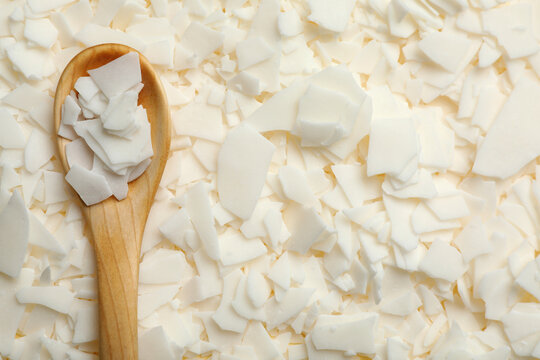
Soy Wax
Price range: R30,00 through R145,00
Soy Wax – Cosmetic Safe & Eco-Friendly
-
🌱 Plant-Based & Biodegradable
Made from natural soybeans – a renewable, eco-conscious alternative to paraffin wax. -
🕯️ Clean, Even Burn
Burns slowly and evenly with minimal soot, delivering a smooth, high-quality finish. -
🌸 Excellent Scent Throw
Holds fragrance oils exceptionally well for a strong, consistent aroma. -
💆 Cosmetic Safe
Gentle on skin – suitable for massage candles and other skin-contact applications. -
🧴 Non-Toxic & Skin-Friendly
Free from harmful chemicals; ideal for both personal and commercial use. -
🛠️ Easy to Work With
Smooth texture and low melting point make it perfect for beginners and professionals alike.
Great for:
✔ Container candles
✔ Massage candles
✔ Scented candles
✔ DIY projects & small business production
Soy Wax
✔ Ideal for: Container candles
✔ Texture: Smooth, creamy finish
✔ Fragrance Load: 6-8% (up to 10% with testing)
✔ Scent Throw: Excellent hot & cold diffusion
✔ Blends Well With: Coconut oil and other additives
Key Benefits
🔹 Lower Pouring Temperature – Ensures a smooth, even surface
🔹 Optimized Burn Performance – Creates an even melt pool with the right wick
🔹 High Oil Absorption – Enhances scent throw for a long-lasting aroma
🔹 Cost-Effective & Versatile – Suitable for various candle-making applications
Technical Specifications
📌 Composition: Hydrogenated soybean oil
📌 Form: Fine flakes
📌 Melting Point: 52°C
📌 Congealing Point: 34°C
📌 Heating Range: 65°C – 70°C
📌 Pouring Temperature: 55°C – 60°C (top-up at 52°C)
Soy Wax
These instructions are based on our in-house testing. We recommend conducting your own tests with fragrance and color variations.
Fragrance & Temperature Recommendations
✔ Fragrance Load: 6-8% (using our fragrance range)
✔ Essential Tool: Digital thermometer for accurate temperature control
Step-by-Step Candle-Making Process
1. Preparation
- Set up a clean, stable workspace
- Secure wicks firmly in place
- Mark the maximum fill line with a non-permanent marker to prevent overfilling
- Protect surfaces with newspapers to catch any spills
2. Melting the Wax
🛠 Equipment: Use a double boiler (Bain Marie) or an electric melting pot – avoid direct heat
🌡 Ideal Temperature: Slowly heat to 65-70°C
🔍 Visual Check: Wax should have a slightly golden hue
⚠ Overheating Warning: Exceeding 80°C may cause:
- Opaque, damaged wax
- Poor setting and performance
- Discoloration and crumbling in the final product
3. Adding Color & Fragrance
🎨 Colorants: Add color before fragrance at a warmer temperature for even blending
🌸 Fragrance Addition: Stir gently for one minute when wax reaches 62-65°C
4. Pouring the Wax
🌡 Optimal Pouring Temperature: 60°C (wax should appear clear)
🕳 Avoid Cavities: Pour at the right temperature to prevent air pockets during curing
📏 Filling Guidelines:
- Leave 2cm space below the max fill line for a second pour (if needed)🌡 Container Prep: Ensure jars match room temperature for best adhesion
5. Curing & Final Top-Up
⏳ Initial Cure Time: Allow candles to set for 12 hours before topping up
🔥 Top-Up Pour: Reheat reserved wax to 50-53°C, then fill to the max line
🕰 Final Cure Time: Let candles rest for 4-7 days before use
-
MakingCandles
MakingCandles – Product Information & Disclaimer
We strive to provide accurate product details; however, the information shared is for general guidance and does not guarantee specific product properties. Customers are responsible for evaluating the suitability of products for their intended uses.
Product Availability & Updates
✔ Subject to Change: Product availability may change without prior notice.
✔ Stock Updates: If an item is unavailable when ordered, we will attempt to provide an estimated restock date.
✔ No Liability for Unavailability: MakingCandles is not liable for any damages or claims arising from unavailable products.
✔ Right to Discontinue: We reserve the right to remove any product or service from our offerings at any time.
Product Use & Customer Responsibility
🔹 Testing Required: Product details, including specifications and recommendations, are provided for reference but must be independently tested by the customer.
🔹 No Custom Manufacturing: Products are not made to individual specifications unless expressly agreed to in writing.
🔹 Final Product Quality: MakingCandles is not liable for any defects or issues in the final product.
🔹 Labeling & Safety Compliance: It is the customer’s responsibility to ensure proper labeling and safety instructions are provided to end-users.
-
Essential Safety Measures for Candle Making
To ensure safe handling and a smooth candle-making process, please follow these crucial steps:
Protective Gear
- Wear Safety Equipment: Always use goggles and gloves when preparing your materials to safeguard against potential hazards.
Safety Documentation
- Consult the Safety Data Sheet (SDS): Always review the SDS for complete safety instructions before handling any wax or ingredients.
Handling Heated Wax
- Caution with Warmed Wax: Exercise caution when working with heated wax to avoid burns or other injuries.
- Follow Usage Guidelines: Adhere to recommended temperature and fragrance percentage limits for optimal and safe results.
Surface Protection
- Prevent Surface Damage: Be mindful not to spill wax on sensitive surfaces like polished, painted, plastic, or leather. Always follow the provided instructions.
Storage & Handling
- Store Safely: Keep all wax and supplies in a location that is out of reach of children and pets.
- Be Cautious with Fragrances: Individuals sensitive to fragrances should take extra precautions or avoid using these products.
Labeling Instructions
- Apply Warning Labels: Ensure all candles are properly labeled with safety warnings and usage instructions to inform end users.
By adhering to these safety guidelines, you ensure a secure and effective candle-making experience.
Related products
-

Gel Wax / Jelly Wax – Soft
Price range: R155,00 through R1500,00 Select options This product has multiple variants. The options may be chosen on the product page -

Paraffin Wax M3B – 1kg
R65,00 Add to cart